

osteoporosis treatment consultation Paradise Family Healthcare Venice FL

Osteoporosis Treatment in Venice, FL

Stronger Bones and Reduced Fracture Risk with Osteoporosis Care in Venice, FL

Common In:Women 50+, Seniors
Primary Causes:Hormonal Change, Aging, Calcium Loss
Diagnosis:DEXA Bone Density Scan
Results:Stronger Bones in 6-12 Months
physician reviewing osteoporosis treatment plan with patient Venice FL

What Is Osteoporosis?

Recognizing the Signs

Osteoporosis is a progressive skeletal condition in which bone mineral density declines and the internal structure of bone becomes porous, leaving bones fragile and more likely to fracture from even minor falls or everyday movements. It is often called a silent disease because it typically develops without pain or symptoms until a fracture occurs.

When you notice that you have lost a little height, your posture is beginning to stoop forward, or a minor bump has caused a broken wrist or rib, you are often looking at the visible signs of osteoporosis. Many of our Venice, FL patients are first diagnosed after a fall in the home or a routine screening.

Patients frequently describe feeling suddenly older or more cautious about activities they used to enjoy, from gardening and pickleball to playing with grandchildren. You are not alone, and with the right care plan, strong bones and an active life remain very much within reach.

illustration of healthy bone versus osteoporotic bone structure at Paradise Family Healthcare Venice FL

Why Osteoporosis Happens

Understanding the Root Causes

Your bones are living tissue. Throughout life, old bone is broken down by cells called osteoclasts and new bone is laid down by cells called osteoblasts in a continuous remodeling cycle. Peak bone mass is typically reached around age 30, and after that bone is slowly lost at a baseline rate of roughly 0.5 to 1 percent per year.

After menopause, the protective effect of estrogen falls away, and many women lose 2 to 3 percent of bone mass per year for several years. When removal outpaces rebuilding for long enough, the internal bone scaffolding thins and weakens, creating the porous, fragile structure that defines osteoporosis.

According to the National Osteoporosis Foundation, about one in two women and up to one in four men over age 50 will break a bone due to osteoporosis. At Paradise Family Healthcare, we address these risks directly through chronic disease management that tracks bone health alongside your other long-term conditions.
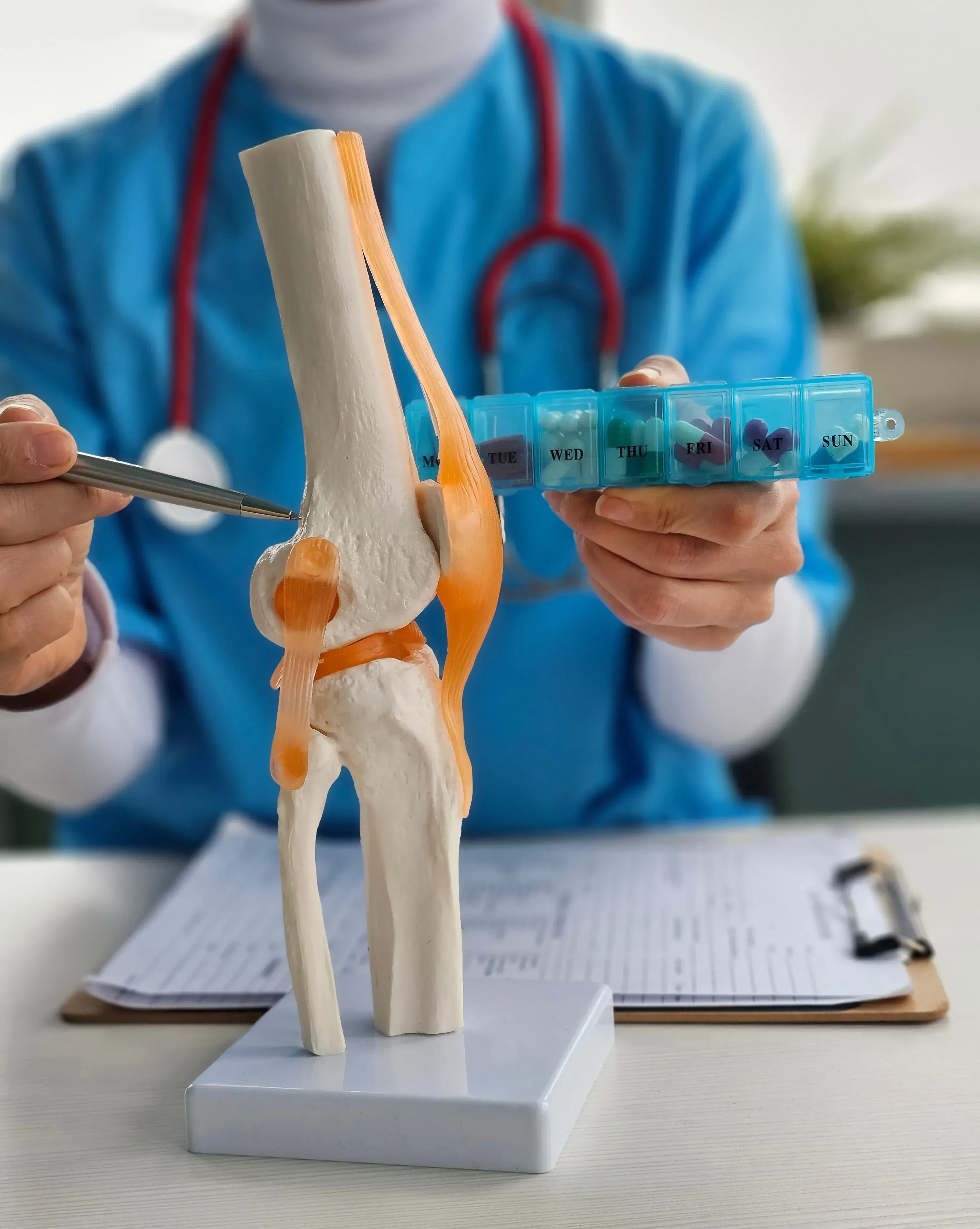

senior patient reviewing calcium and vitamin D plan at Paradise Family Healthcare Venice FL

Calcium, Vitamin D, and Bone Remodeling

How Nutrients and Hormones Affect Bone Strength

Calcium is the mineral that gives bone its hardness, and roughly 99 percent of the body's calcium is stored in the skeleton. When dietary calcium is too low, the body pulls calcium out of bone to maintain blood levels needed for the heart, muscles, and nerves. Over years, this quiet withdrawal thins the skeleton.

Vitamin D acts as the key that allows the small intestine to absorb calcium from food. Many older adults in Southwest Florida spend less time outdoors, wear sun protection, or take medications that reduce vitamin D activation, leaving them insufficient even in a sunny climate. Without enough vitamin D, dietary calcium is poorly absorbed and bone loss accelerates.

Hormones, muscle loading, and medications all influence remodeling as well. Long-term oral steroids, thyroid hormone excess, low testosterone, and prolonged inactivity each tilt the balance toward bone loss. We factor each of these into your personalized plan and coordinate preventive bone health screenings so changes are caught early.

lifestyle factors affecting osteoporosis risk at Paradise Family Healthcare Venice FL

What Accelerates Osteoporosis?

Identifying Your Triggers

01

Hormonal Changes

Declining estrogen after menopause, and lower testosterone in men, removes a key brake on bone resorption and speeds bone loss.

02

Calcium Deficiency

Diets low in dairy, leafy greens, or fortified foods force the body to withdraw calcium from the skeleton to support other vital functions.

03

Vitamin D Deficiency

Limited sun exposure, aging skin, and certain medications reduce vitamin D, which is essential for absorbing calcium from food.

04

Sedentary Lifestyle

Bone responds to weight-bearing activity, and long periods of inactivity signal the body to reduce bone density in unused areas.

05

Long-Term Steroid Use

Chronic oral corticosteroids for asthma, arthritis, or autoimmune disease are among the most common medication causes of bone loss.

06

Smoking and Heavy Alcohol

Tobacco disrupts estrogen and bone-building cells, while excess alcohol interferes with calcium absorption and balance.

Paradise Family Healthcare office interior in Venice Florida

Why Choose Paradise Family Healthcare for Osteoporosis Care in Venice, FL

Expert Care in Venice

  • Comprehensive Bone Health Assessment
  • Personalized Treatment Plans
  • Coordinated Screening and Monitoring
  • Senior-Focused, Neighborhood Care

Treatment Options Comparison

Finding Your Best Approach

Approach Best For Session Time Results Timeline Maintenance
Health Screenings Early detection and risk review 30-45 min Baseline at first visit Annual
Nutrition Counseling Calcium and vitamin D support 30-45 min 2-3 months Ongoing
Chronic Disease Management Medication plus lifestyle plan 30-60 min 6-12 months Every 3-6 months
senior woman discussing osteoporosis risk factors with physician at Paradise Family Healthcare Venice FL

You May Be at Risk for Osteoporosis If...

Recognizing When to Seek Help

  • Postmenopausal Woman
  • Age Over 65
  • Family History of Fracture
  • Small Frame or Low BMI
  • Chronic Steroid Use
  • Previous Fragility Fracture

Frequently Asked Questions

About Osteoporosis

01 How is osteoporosis diagnosed?

Osteoporosis is most commonly diagnosed with a DEXA bone density scan, which measures the strength of your hip and spine. We also review your history, medications, height, labs for calcium and vitamin D, and any past fractures to build a full picture of your bone health.

02 What medications are used for osteoporosis?

Common options include bisphosphonates such as alendronate or zoledronic acid infusion, denosumab injections, and anabolic agents that help build new bone. Dr. Miller selects medication based on your fracture risk, kidney function, and tolerance, and reviews it with you each year.

03 Can osteoporosis be reversed?

In many cases, bone density can be stabilized and meaningfully improved with the right combination of medication, calcium, vitamin D, and weight-bearing activity. Severe, long-standing bone loss may not fully return to normal, but fracture risk often drops substantially with consistent care.

04 Do you offer bone density testing?

We coordinate DEXA bone density testing through trusted local imaging partners in Venice and Sarasota, then review the results with you in detail at your follow-up appointment so you understand exactly where you stand.

05 Is osteoporosis treatment covered by insurance?

Most Medicare and commercial plans cover osteoporosis evaluation, DEXA scans every two years for at-risk patients, and standard medications. Our team verifies benefits before your visit and walks you through any expected costs.

Location229 Nokomis Ave S
Venice, FL, 34285

Schedule Your Consultation


Scientific References