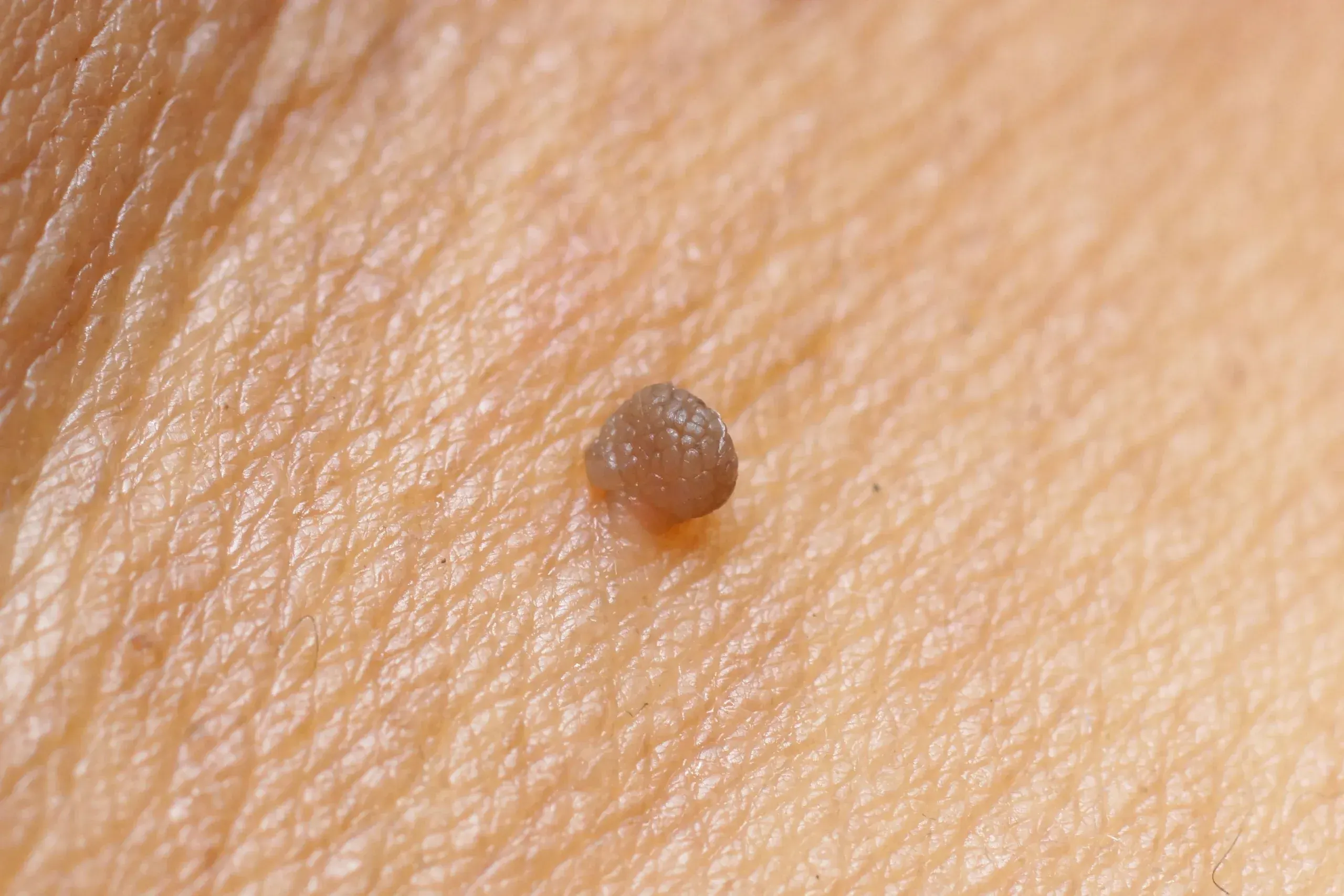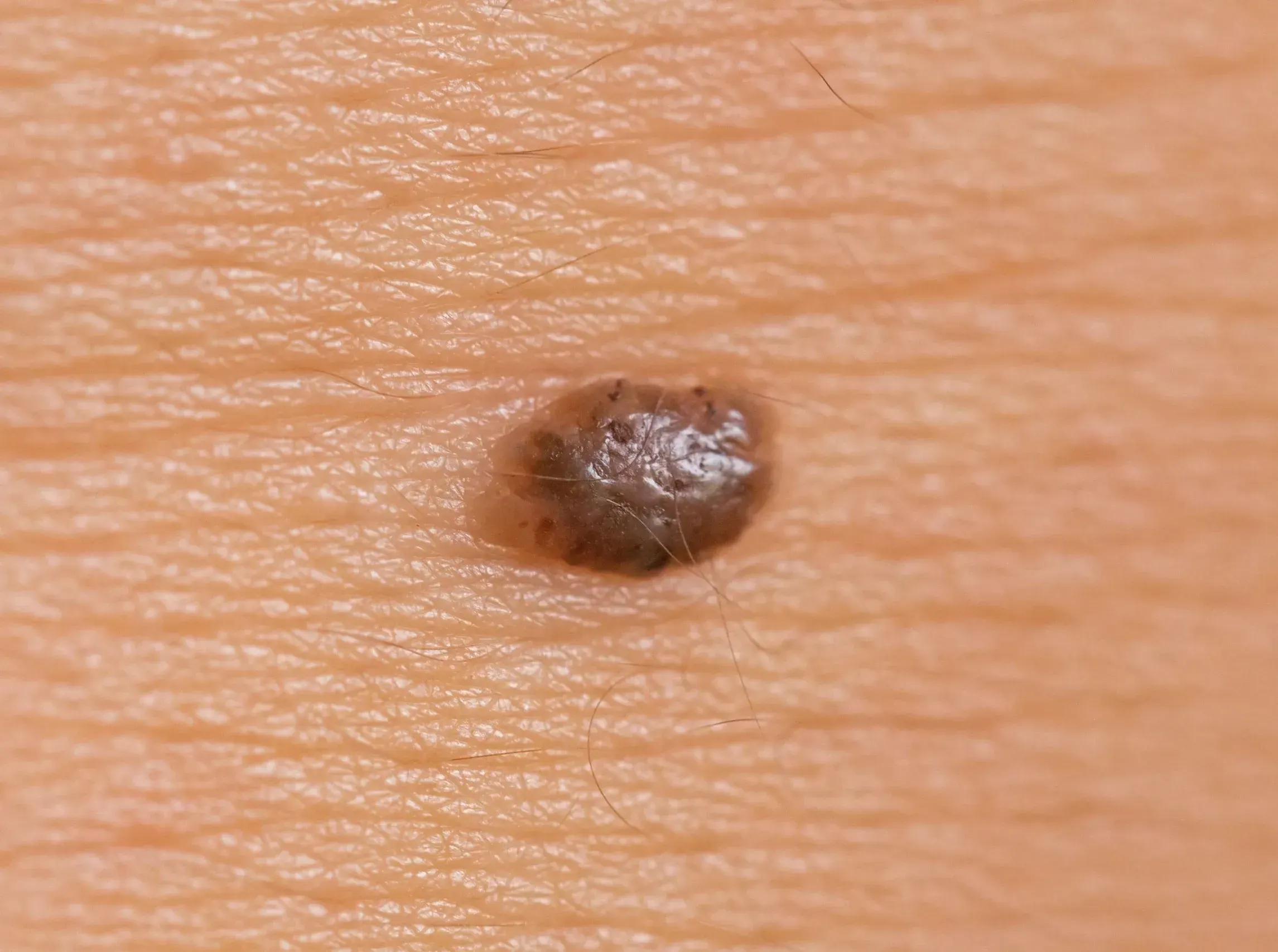
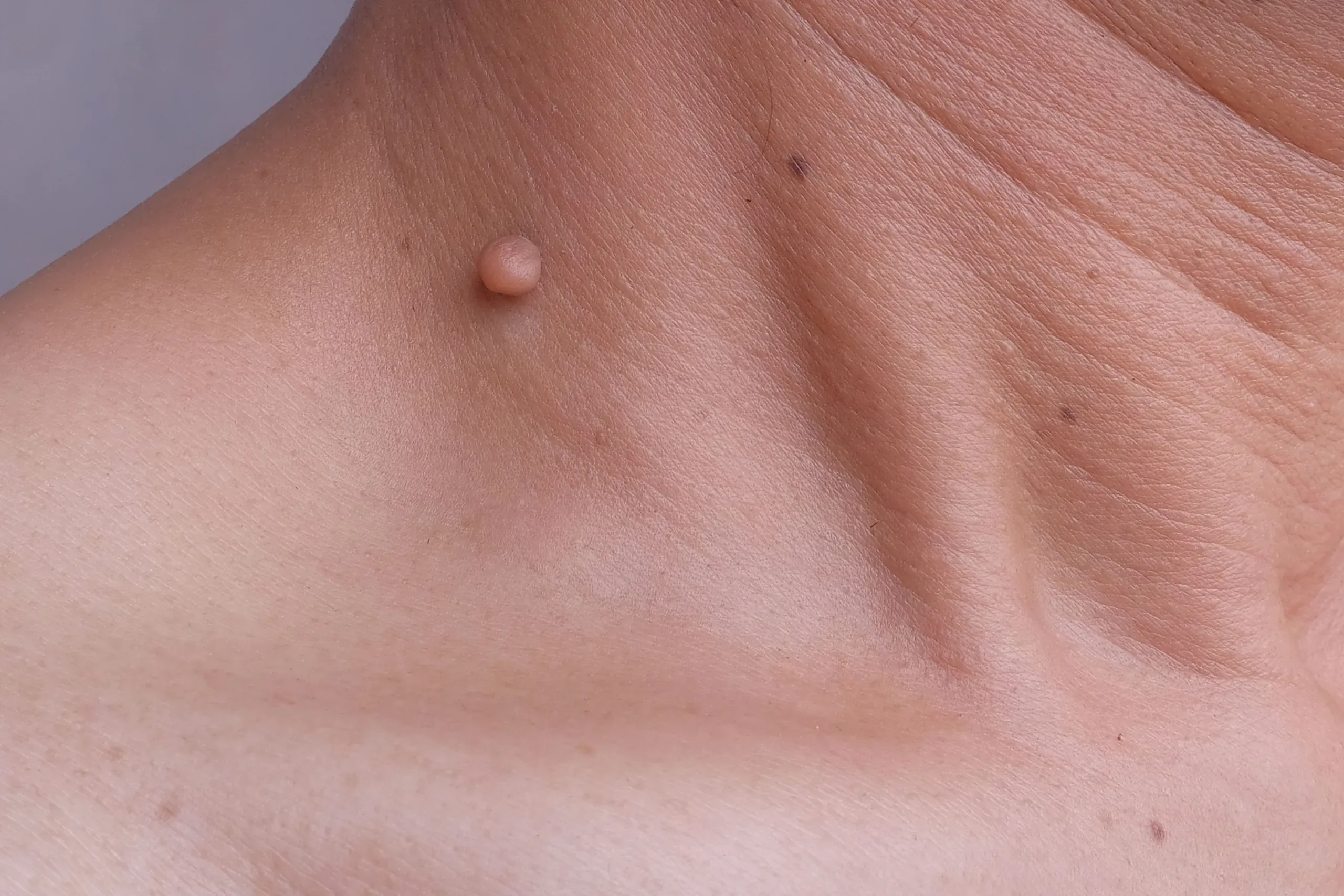
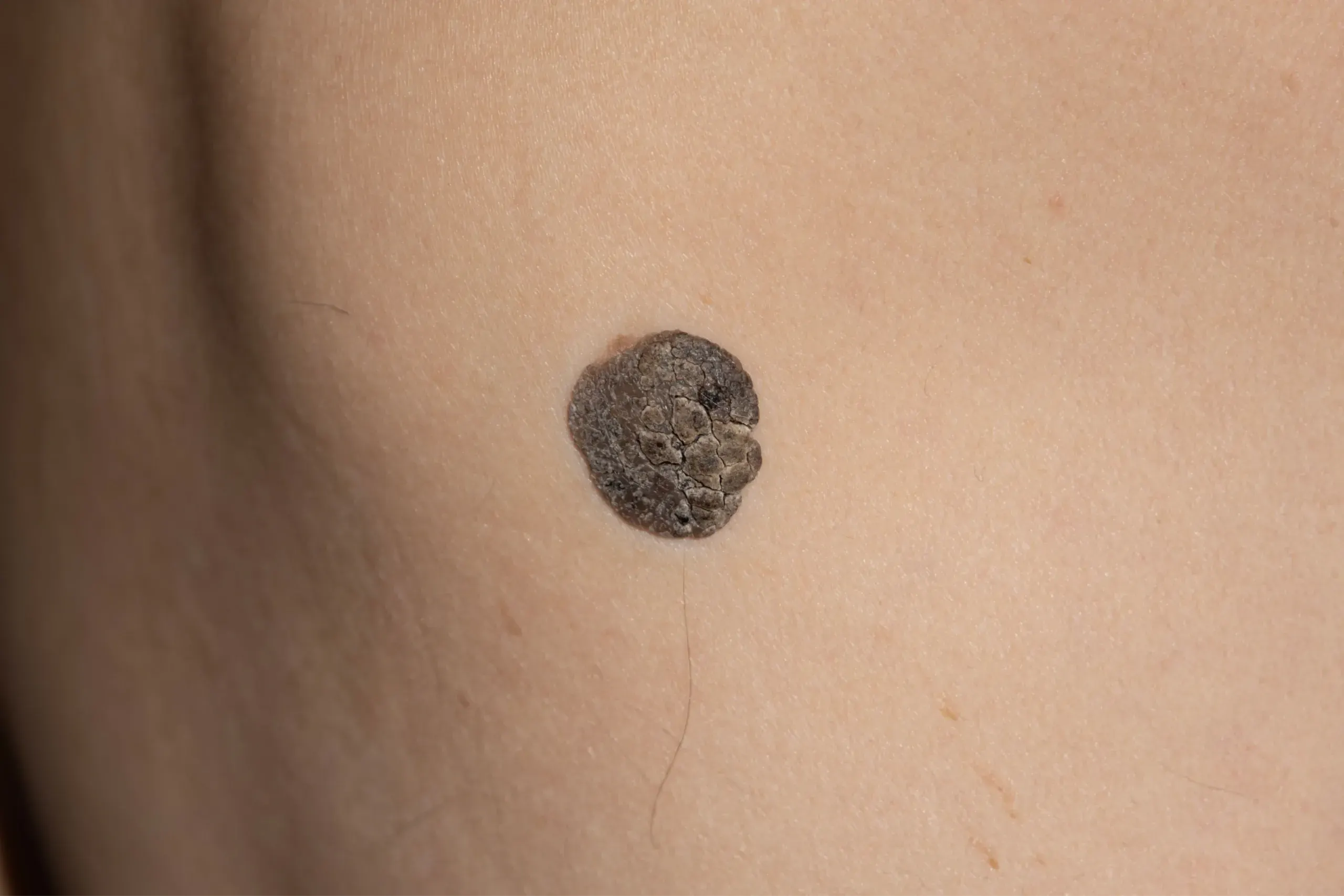
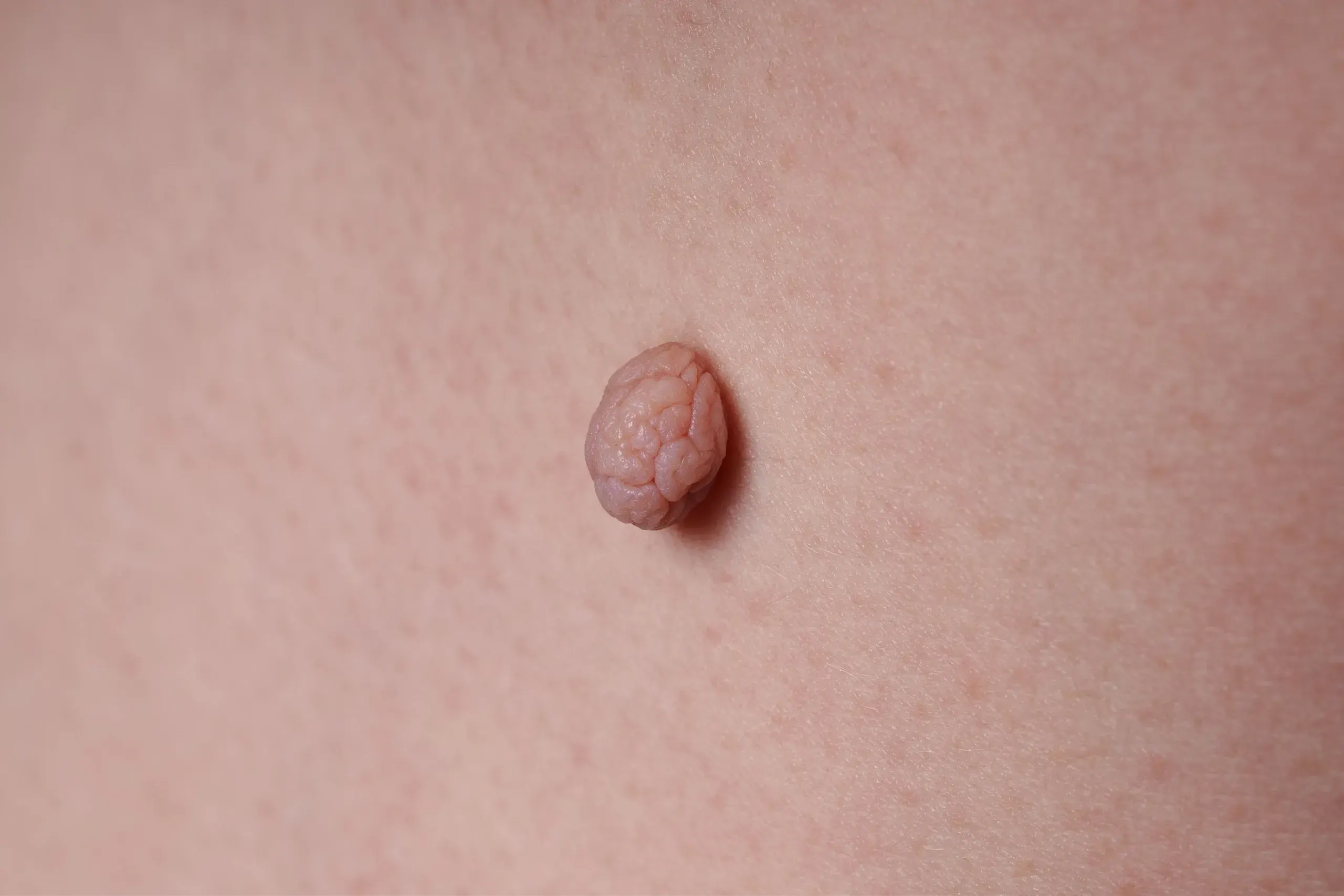
skin lesions treatment consultation Paradise Family Healthcare Venice FL

Skin Lesion Removal in Venice, FL

Clear Unwanted Skin Growths Safely and Professionally in Venice, FL

Common In:Adults, Seniors, All Skin Types
Primary Causes:Genetics, Sun Exposure, HPV, Aging
Visit Length:15-30 Minutes In-Office
Results:Same-Day Removal in Most Cases
physician reviewing skin lesion treatment plan with patient Venice FL

What Are Skin Lesions and Benign Growths?

Recognizing the Signs

Skin lesions and benign growths are common, non-cancerous changes in the skin that include skin tags, warts, moles, cysts, seborrheic keratoses, cherry angiomas, and small cystic or fatty bumps. They may appear anywhere on the body and are a routine part of family medicine practice.

When you notice a new bump, a growth that rubs against clothing, a wart on a finger or foot, or a spot that has suddenly started to bleed or itch, you are looking at the kind of everyday skin change that brings many Venice, FL patients in for a quick evaluation. Most of these growths are harmless, but a few deserve a closer look to confirm they are not something more serious.

Patients often tell us they have been living with a lesion for years, hiding it under a shirt collar or bandaid, unsure whether it is worth a visit. The good news is that most benign growths can be removed right in our office during a short appointment, with no referral and no operating room required.

illustration of common benign skin growths and lesions at Paradise Family Healthcare Venice FL

Why Skin Lesions and Benign Growths Happen

Understanding the Root Causes

Skin is a layered, constantly renewing organ. The outer epidermis turns over roughly every 28 to 40 days, while deeper layers host pigment cells, blood vessels, oil glands, and small collagen structures. When any of those components overgrow, get irritated, or get infected by a virus, a visible lesion or growth can form.

Many benign lesions, including skin tags, seborrheic keratoses, and cherry angiomas, arise from local overgrowth of otherwise normal cells, often in areas of friction, sun exposure, or hormonal change. Warts are different: they are caused by strains of the human papillomavirus (HPV) infecting the top layer of skin and driving rapid cell growth in a small, localized patch.

The American Academy of Dermatology estimates that most adults develop multiple benign skin growths over a lifetime, with risk rising after age 40 and with cumulative sun exposure. At Paradise Family Healthcare, we evaluate these changes as part of routine primary care and remove them through minor surgical procedures performed in-office.
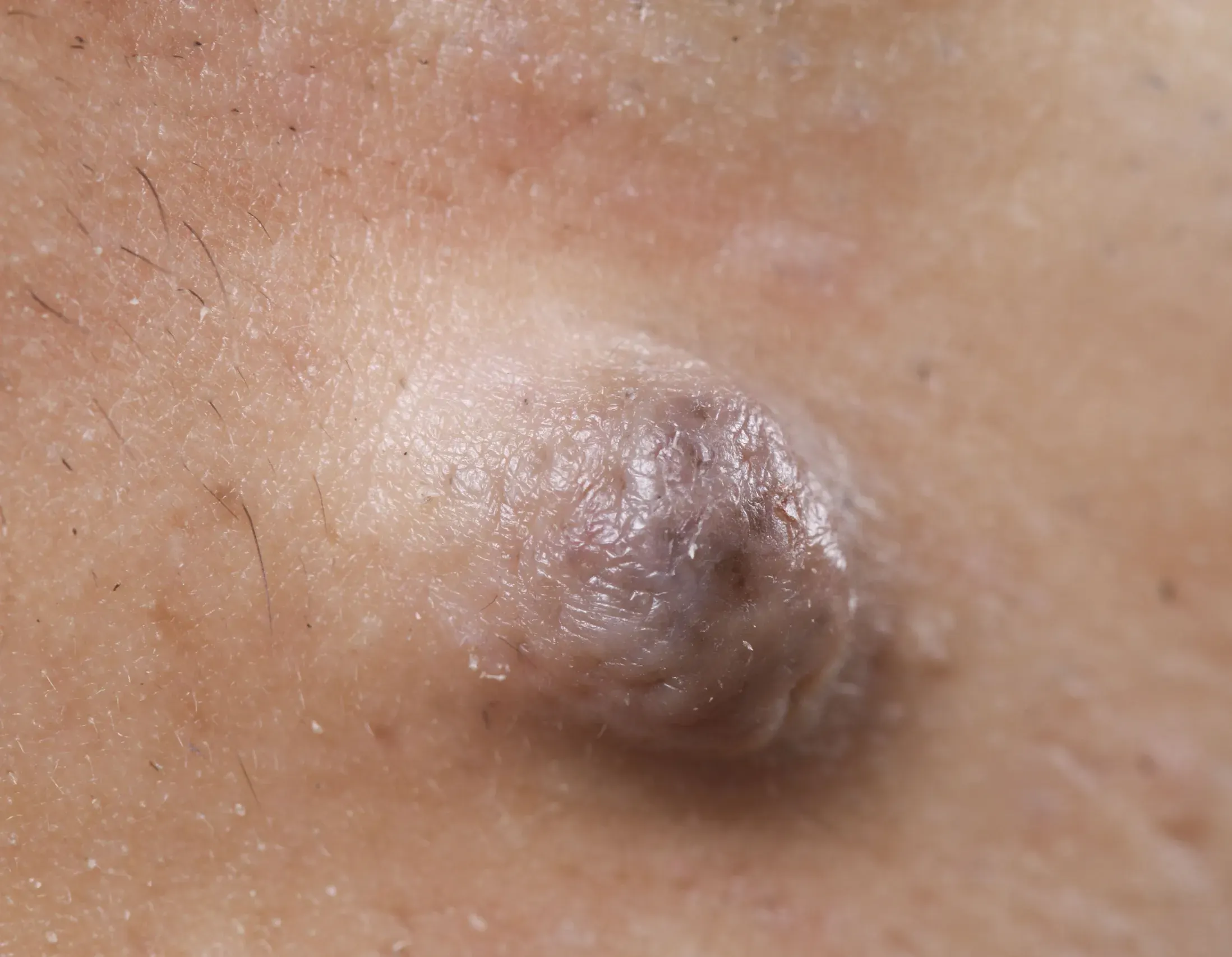
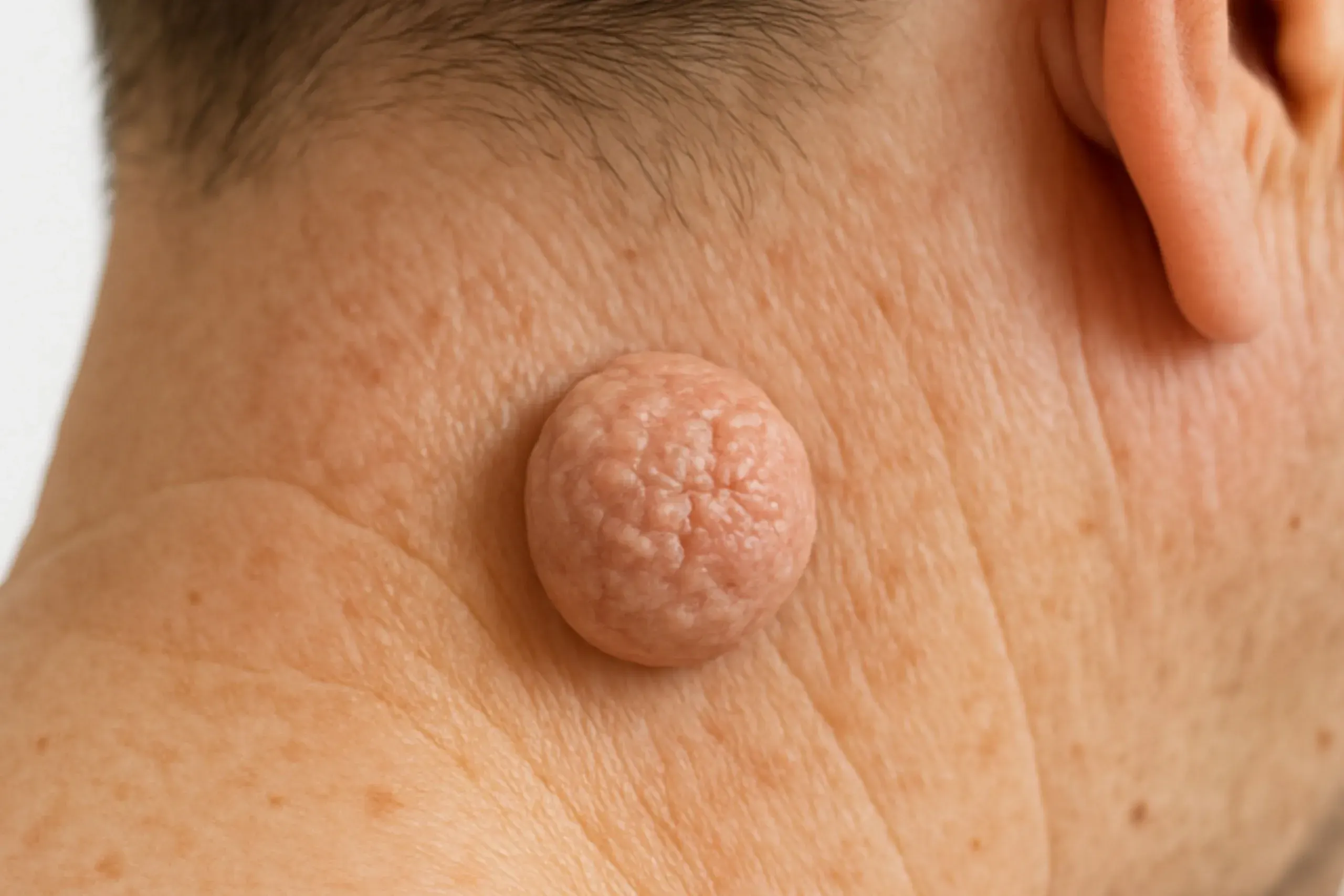
close up examination of skin tag wart and mole at Paradise Family Healthcare Venice FL

Common Types of Benign Skin Growths

How to Tell Skin Tags, Warts, and Moles Apart

Skin tags, medically called acrochordons, are soft, flesh-colored stalks of skin that commonly appear on the neck, underarms, eyelids, and body folds. They are caused by friction and are more common with weight gain, pregnancy, and age. They are almost always harmless, but they can catch on clothing or jewelry and become irritated, which is the most common reason patients request skin tag removal.

Warts are small, rough growths caused by HPV that most often appear on hands, fingers, and the soles of the feet, where plantar warts can become painful. They can spread to other areas and to other people, so treatment is usually worthwhile even when the wart itself is not bothersome. Our wart removal options include cryotherapy and other in-office techniques.

Moles, cysts, seborrheic keratoses, and lipomas are other common benign growths we evaluate regularly. Moles deserve particular attention: most are harmless, but any mole that changes in size, shape, color, or symmetry should be examined promptly and may need a small skin biopsy to rule out skin cancer. Information from the National Library of Medicine reinforces that timely biopsy of suspicious lesions is the cornerstone of early skin cancer detection.

lifestyle factors contributing to skin lesions and benign growths at Paradise Family Healthcare Venice FL

What Contributes to Skin Lesions and Benign Growths?

Identifying Your Triggers

01

Genetics

A family tendency toward skin tags, moles, cysts, or seborrheic keratoses makes these growths much more likely as you age.

02

UV Exposure

Years of sun exposure in Southwest Florida encourage pigmented spots, sun-related keratoses, and some benign vascular growths.

03

HPV Infection

Common and plantar warts are caused by strains of the human papillomavirus that enter the skin through small cuts or pressure points.

04

Aging

Natural changes in skin cell turnover and collagen structure after age 40 lead to more skin tags, keratoses, and cherry angiomas.

05

Friction

Skin rubbing against skin, clothing, or jewelry in the neck, underarms, and body folds is the leading cause of skin tags.

06

Hormonal Changes

Pregnancy, perimenopause, and significant weight changes can trigger new skin tags and darker pigmented growths.

Paradise Family Healthcare office interior in Venice Florida

Why Choose Paradise Family Healthcare for Skin Lesion Care in Venice, FL

Expert Care in Venice

  • In-Office Evaluation and Removal
  • No Referral Needed
  • Primary Care Context
  • Neighborhood, Patient-First Care

Treatment Options Comparison

Finding Your Best Approach

Approach Best For Session Time Results Timeline Maintenance
Skin Tag Removal Small soft growths on neck, underarms, eyelids 10-20 min Same-day Usually one visit
Wart Removal Common, plantar, and flat warts 15-30 min 1-4 visits Every 2-4 weeks if needed
Wound Care Healing and monitoring biopsy or excision sites 15-30 min 1-3 weeks As needed
patient examining skin growth and discussing options with physician at Paradise Family Healthcare Venice FL

You May Need Evaluation for a Skin Lesion If...

Recognizing When to Seek Help

  • New Skin Growth
  • Bleeding or Irritated Lesion
  • Cosmetic Concern
  • Recurring Growths
  • Rapid Growth
  • Color Change

Frequently Asked Questions

About Skin Lesions and Benign Growths

01 What types of skin lesions do you treat?

We routinely evaluate and remove skin tags, warts, moles, seborrheic keratoses, cherry angiomas, small cysts, and other common benign growths. We also perform skin biopsies on suspicious lesions and coordinate dermatology referral when needed.

02 Do I need a referral for a biopsy?

No. You can book directly with Paradise Family Healthcare for a skin check, biopsy, or in-office removal. Most insurance plans, including Medicare, cover medically necessary skin biopsies without a separate referral.

03 What is the difference between a skin tag, wart, and mole?

A skin tag is a soft, fleshy stalk caused by friction. A wart is a rough, viral growth caused by HPV, commonly on hands and feet. A mole is a cluster of pigment cells that may be flat or raised. Moles that change deserve prompt evaluation.

04 When should I see a doctor about a skin growth?

See us promptly if a spot is new, growing quickly, changing color or shape, bleeding, itching, or failing to heal. Also book a visit for any mole that looks different from the rest of your moles, or for lesions that catch and bleed on clothing.

05 Will skin lesion removal leave a scar?

Most small skin tags and warts heal with minimal or no visible mark. Larger excisions and biopsies leave a small scar that typically fades over six to twelve months. We review expected healing and aftercare with you before any procedure.

06 Is skin lesion removal covered by insurance?

Medically necessary removals, such as lesions that bleed, are suspicious, or cause functional problems, are typically covered by Medicare and commercial insurance. Purely cosmetic removals may be out-of-pocket. Our team verifies benefits before your visit.

Location229 Nokomis Ave S
Venice, FL, 34285

Schedule Your Consultation


Scientific References