
Check-In and Review
Our team greets you, verifies insurance, and Dr. Miller reviews each skin tag you want addressed.
Safe, same-visit removal, no referral needed

The right tool, the right provider
Most skin tags are harmless, but that does not mean you have to live with them. Many of our patients in Venice, Nokomis, and Osprey come in because a skin tag has started to catch on clothing, bleed after shaving, pull on a necklace, or simply feel self-conscious on a visible area like the neck, face, or chest. Home removal kits, dental floss tricks, and over-the-counter freezing wands sound easy, but they often leave irritation, infection risk, or a dark spot where the tag used to be.
Skin tag removal at Minor Surgical Procedures in Venice, FL is performed in a clean clinical setting by an experienced medical team. We confirm the growth is a true skin tag, numb the area if needed, remove it cleanly, and advise on aftercare. If anything looks atypical, we can biopsy it the same day and send it to the lab, something a home kit simply cannot do. You get a faster, safer result and real peace of mind.
A simple in-office excision
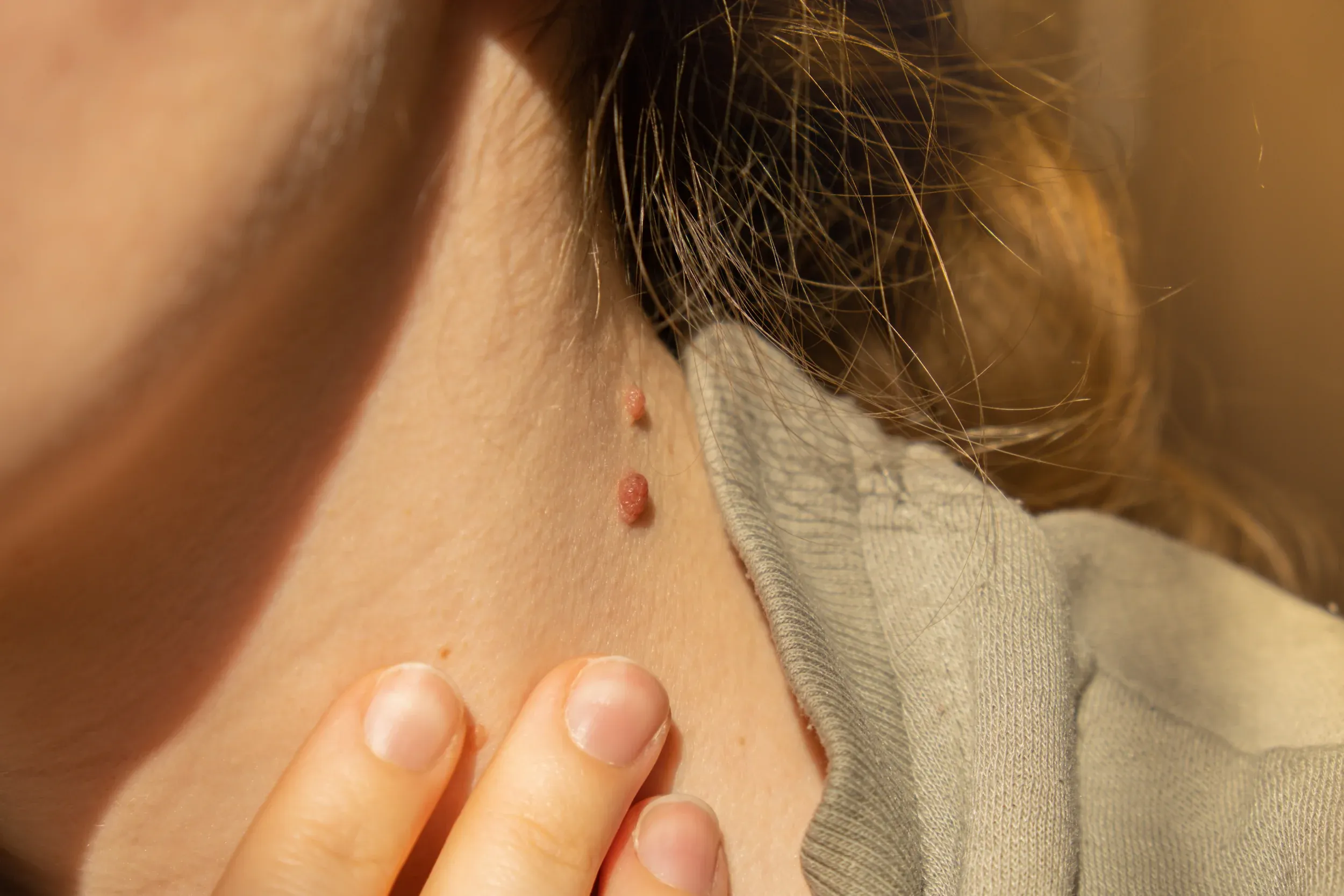
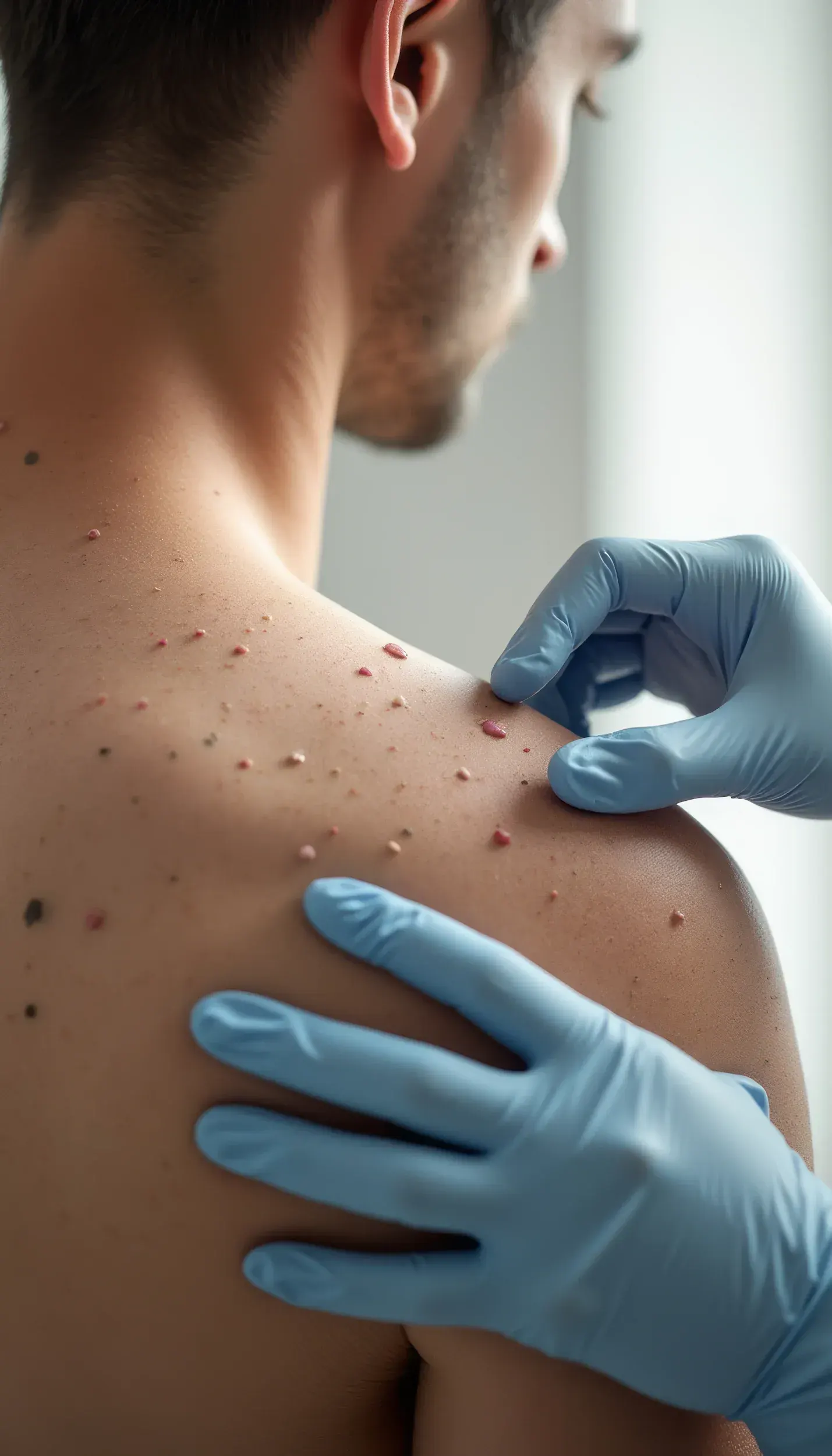
Skin tag removal is a brief outpatient procedure that eliminates a common benign skin growth called an acrochordon. Skin tags are soft, flesh-colored flaps of tissue that typically appear on the neck, underarms, eyelids, groin, and other areas where skin rubs against skin or clothing. They are non-cancerous, but they can catch on jewelry or razors, bleed, or become inflamed.
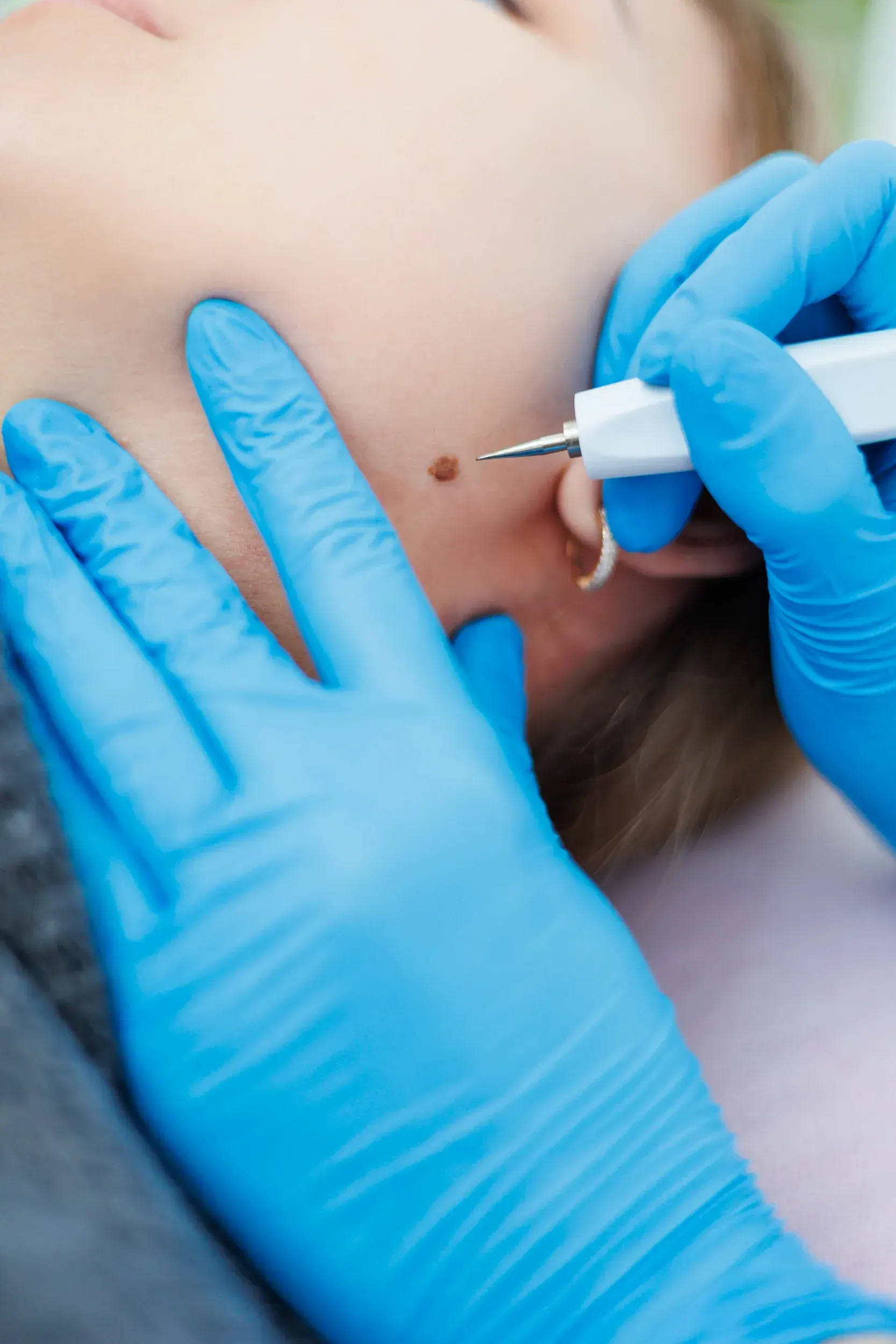
At Paradise Family Healthcare, Dr. Pamela Miller and our medical team remove skin tags using one of three proven techniques: snip excision with sterile surgical scissors, electrocautery (a small electrical current that removes and seals the tissue), or cryosurgery (freezing with liquid nitrogen). The choice depends on the size, location, and blood supply of the skin tag. Larger or vascular tags usually respond best to cautery or excision, while tiny tags often respond to freezing. Most visits include a small amount of local numbing so the removal is essentially painless.
Because skin tags are a recognized benign condition, federal agencies like the National Library of Medicine describe in-office excision as a safe, standard approach. If a growth looks unusual, we can send tissue for biopsy so nothing is missed. Many patients combine their appointment with Wart Removal, treat other benign skin growths in one visit.

Simple, safe, same-visit

Most tags are assessed, numbed, and removed in a single appointment.
Skip the dermatology wait, our medical team handles it in-house.
Most plans cover removal when a tag is irritated, bleeding, or symptomatic.
Sterile technique, local numbing, and proper wound care by licensed clinicians.
Careful technique aimed at a clean heal with minimal visible marking.
If a growth looks atypical, we send it to the lab the same day.
Where you go matters
| Option | Provider | Technique | Safety | Biopsy Available | Insurance | Best For |
|---|---|---|---|---|---|---|
| Paradise Family Healthcare | Dr. Miller, DO, and medical team | Snip, cautery, or cryosurgery with local numbing | Sterile clinical setting with proper wound care | Yes, same-day if needed | Most plans cover symptomatic removal | Patients who want safe, one-visit removal close to home |
| Dermatologist Office | Board-certified dermatologist | Snip, cautery, or cryosurgery, similar options | Clinical setting, often longer wait for appointments | Yes, routinely | Usually covered, but referral may be required | Patients with many atypical lesions needing specialty review |
| OTC Home Removal Kits | Self-applied by the patient | Freezing pens or ligation bands from the drugstore | Higher risk of burns, infection, scarring, and dark spots | No pathology, no confirmation of diagnosis | Not covered, out-of-pocket kit cost | Very small tags in obvious low-risk areas, use with caution |
Adults with bothersome benign growths
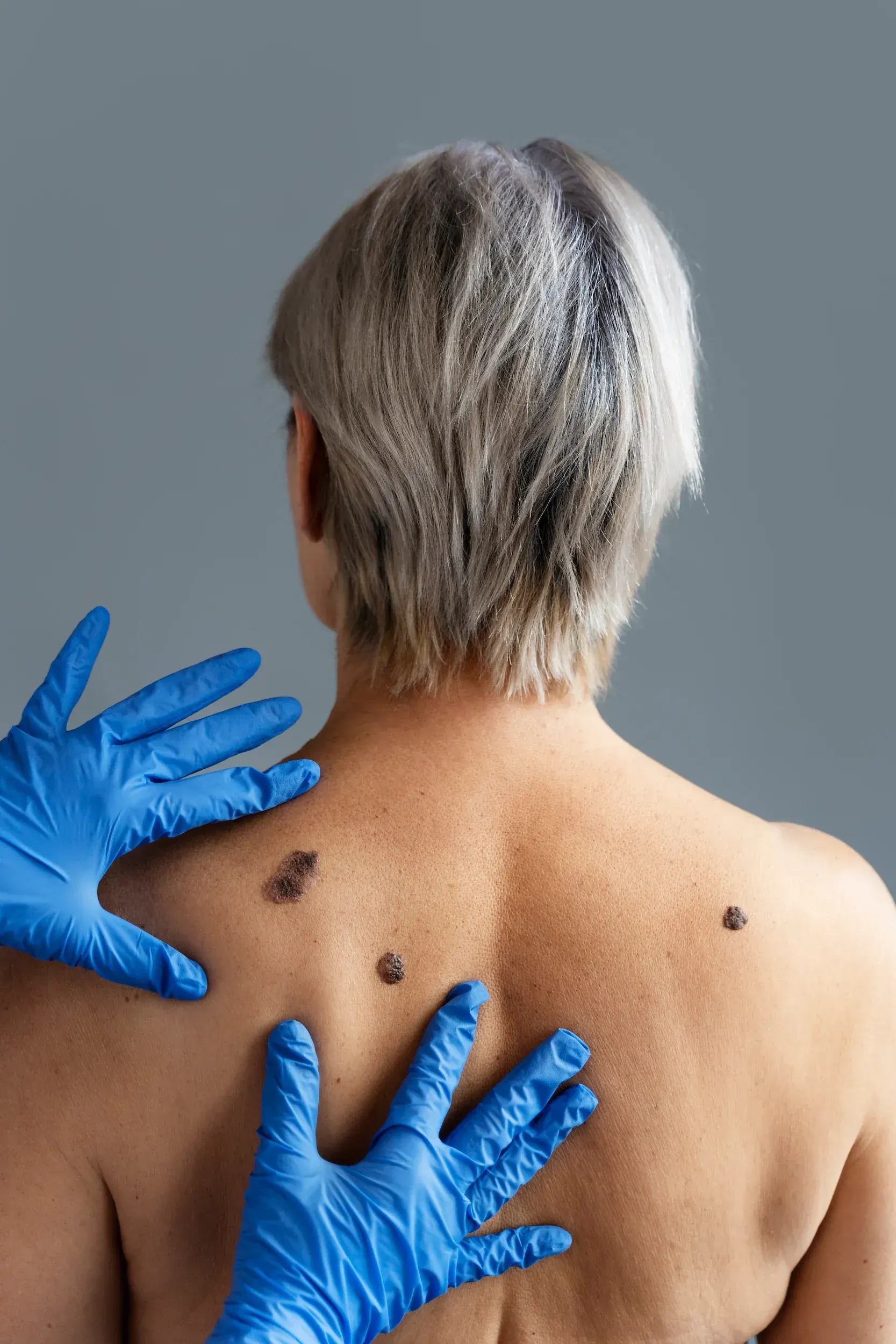
Skin tag removal is a good fit for most healthy adults who have one or more benign skin tags that irritate, snag, bleed, or simply bother them cosmetically. If a growth is clearly a skin tag and in a safe-to-treat area, our medical team can almost always handle it during your appointment.
If any growth looks atypical, we will pause, discuss a biopsy, and only remove it once we are confident it is safe. When in doubt, Dr. Miller always errs on the side of caution.
Our team greets you, verifies insurance, and Dr. Miller reviews each skin tag you want addressed.
Pamela Miller confirms each growth is a benign skin tag and flags anything that needs a biopsy instead.
Dr. Miller applies a small amount of local anesthetic or topical numbing for sensitive areas like the eyelids or groin.
Using sterile scissors, electrocautery, or cryosurgery, Dr. Miller removes each tag and controls any bleeding.
Pamela Miller dresses the site, reviews wound care, and explains when to call if anything looks off at home.
Low-risk, minor procedure
Skin tag removal is one of the lowest-risk in-office procedures we perform. The most common short-term effects are minor: a tiny amount of bleeding at the moment of removal, brief stinging if numbing is used, and a small pink or red mark that fades over a few weeks. In a minority of patients, especially those with darker skin tones, the healed site can leave a faint lighter or darker spot that typically fades over several months. Infection is uncommon when proper sterile technique and wound care are used, and serious complications are rare. Because skin tags are superficial benign growths, federal resources from the National Institutes of Health describe in-office excision and cryosurgery as safe, well-established approaches. Tell Dr. Miller if you take blood thinners, have a bleeding disorder, keloid scar easily, are pregnant, or have a history of allergic reaction to local anesthetics so we can tailor the visit accordingly. If a growth looks atypical, Dr. Miller may recommend biopsy rather than immediate removal so the correct diagnosis is confirmed first.Paradise Family Healthcare keeps pricing clear so patients know what to expect before the visit. Skin tag removal is often covered by insurance when a tag is medically indicated (irritated, bleeding, caught, or inflamed). Cosmetic-only removal is typically self-pay, and our front desk will confirm your benefits before the appointment.
If your plan does not cover the visit, our self-pay pricing typically ranges from $100 to $300 per session or per tag, depending on the number of tags treated and whether pathology is required. We will give you the exact price up front, not a surprise bill after the fact. Most commercial insurance plans cover medically indicated removal, and we will submit the appropriate CPT codes on your behalf.

A family doctor who knows you
Decades of medical expertise and thousands of minor procedures performed locally.
Same office for your annual physical and your skin tag removal.
Snip, cautery, and cryosurgery options chosen to fit the tag.
On-site tissue collection with pathology review when needed.
Answers for Venice patients
Most patients feel almost nothing. Dr. Miller applies a small amount of local numbing medication before snip or cautery removal, so the procedure itself is essentially painless. Cryosurgery can cause a brief stinging sensation that fades within seconds.
Most insurance plans cover skin tag removal when a tag is bleeding, inflamed, catching on clothing, or otherwise medically symptomatic. Cosmetic-only removal is usually self-pay. Our front desk verifies coverage before your visit and explains any expected out-of-pocket cost.
We commonly remove several skin tags in one appointment. The exact number depends on size, location, and how your skin tolerates the procedure. For patients with many tags, Dr. Miller may stage the work across two visits to keep each session comfortable.
No. Once a skin tag is fully removed, that exact tag will not return. However, new skin tags can form in the same general area over time, especially where skin rubs against skin or clothing. Ongoing friction, weight changes, and genetics are the main drivers.
A typical skin tag removal visit takes 10 to 20 minutes from numbing to bandage, depending on how many tags are treated. You walk in, get the procedure done, and return to your normal day right afterward in almost every case.