Evaluation
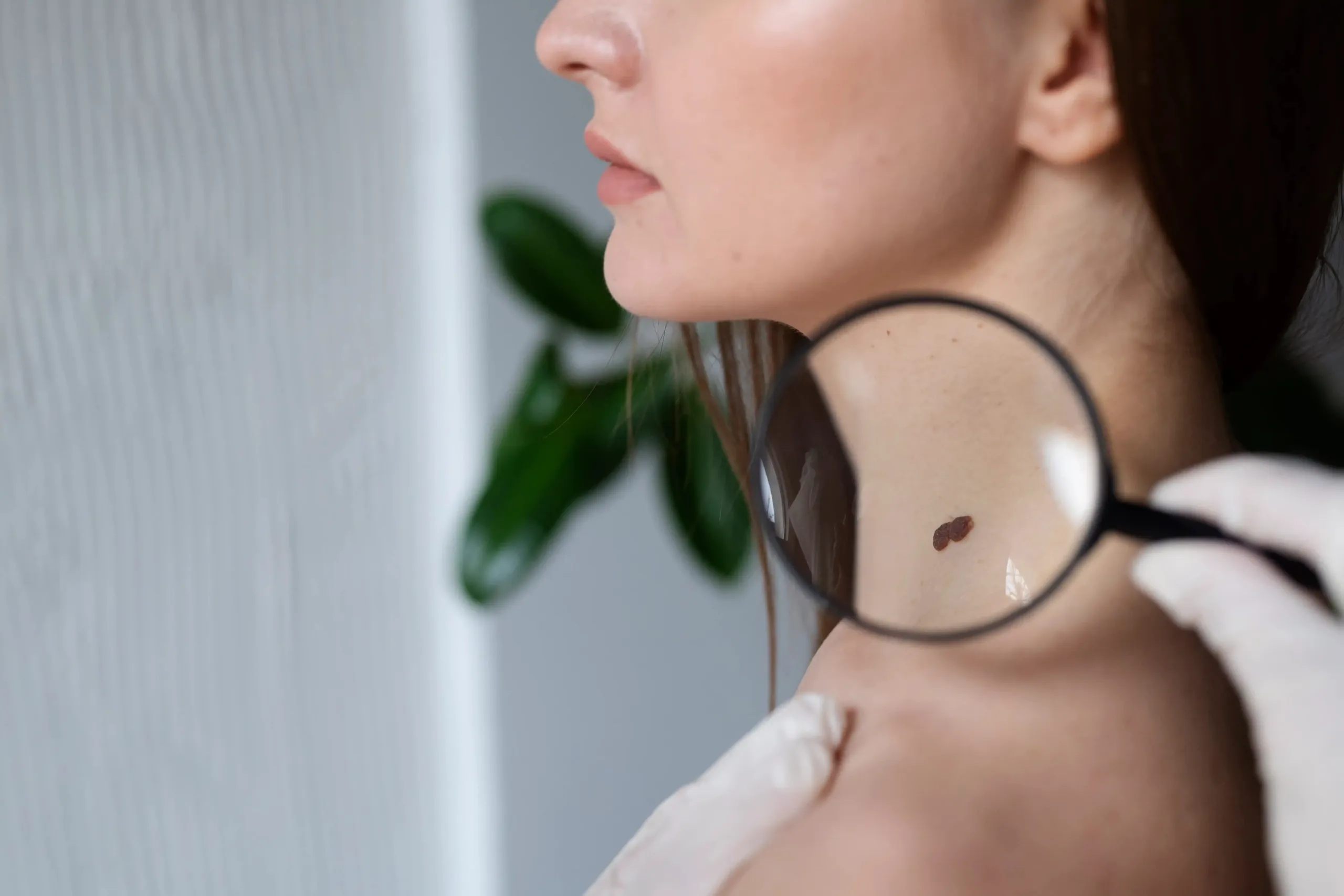
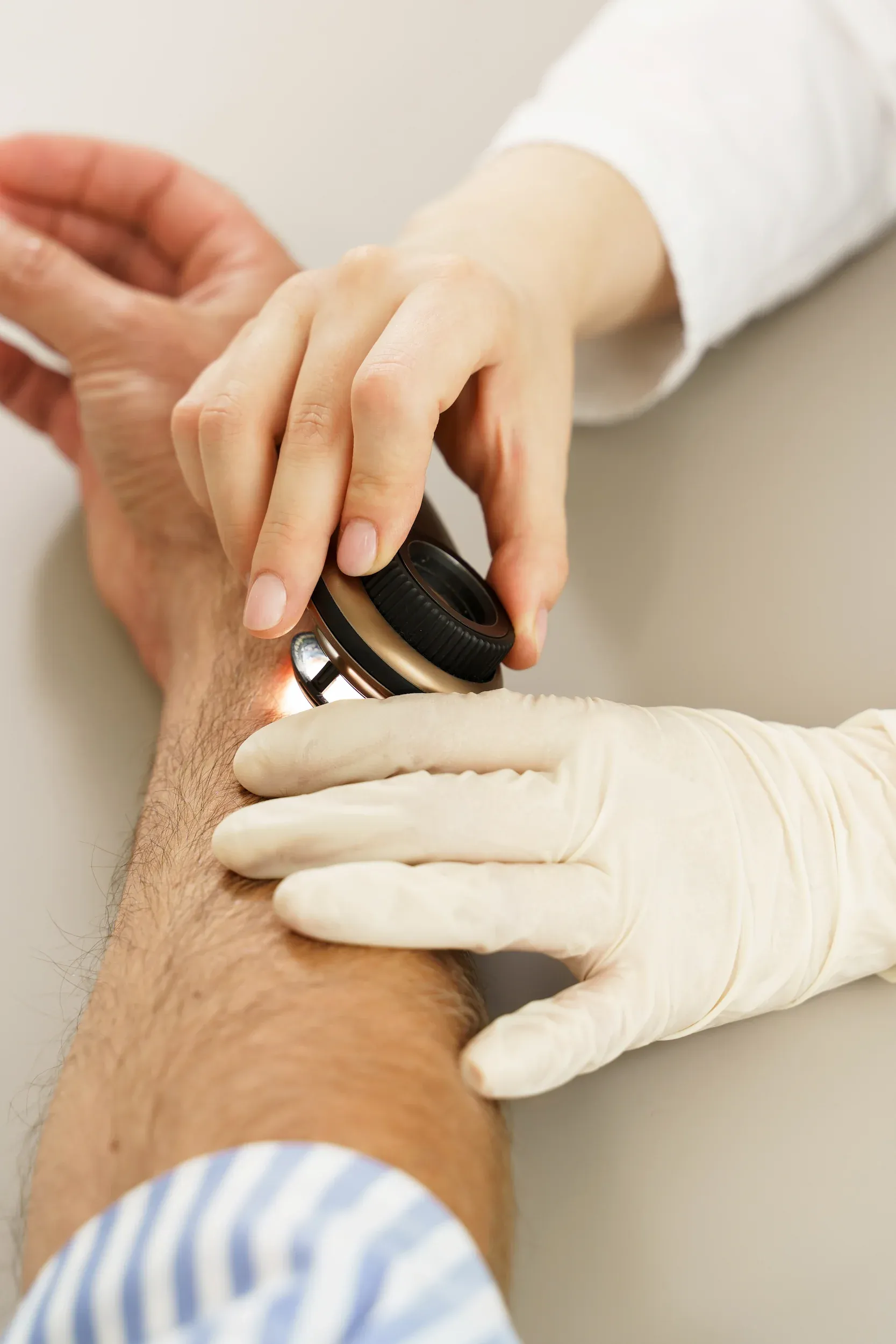
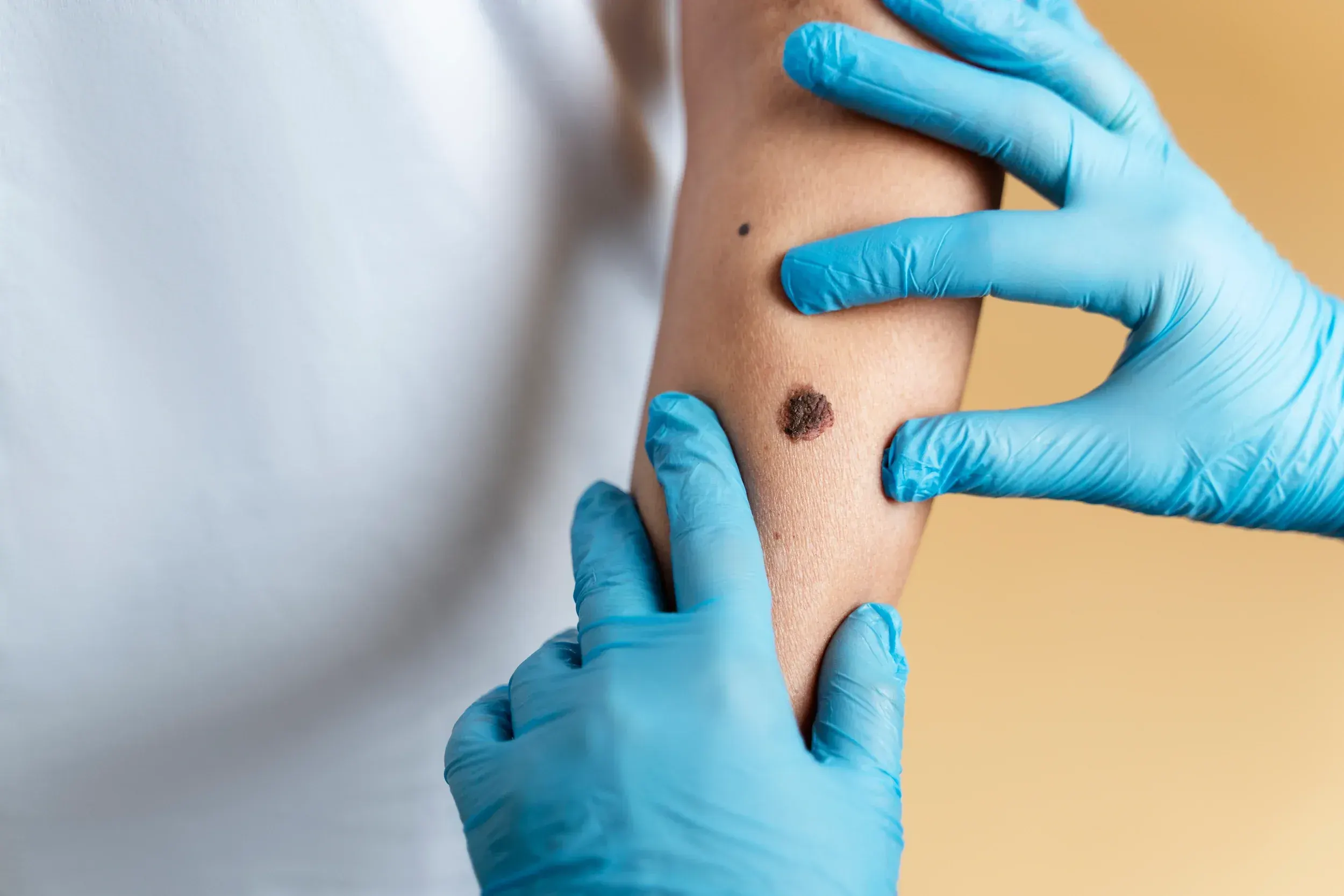
Dr. Miller examines the wart, confirms the diagnosis, and rules out other skin lesions before treatment.
Common and Plantar Warts
Convenient, same-visit treatment
Warts are caused by the human papillomavirus (HPV) infecting the top layer of skin. They are common, contagious, and stubborn. Some clear on their own in months or years, but many do not, and plantar warts on the bottom of the foot can become painful enough to change the way you walk. Over-the-counter salicylic acid helps some cases, but many patients spend weeks or months on drugstore treatments with little to show for it, only to end up calling a dermatologist and waiting even longer for an appointment.
At Paradise Family Healthcare, wart removal is a routine, in-office procedure. No dermatologist referral, no separate specialist visit, and most warts can be treated during the same appointment where we evaluate them. Dr. Pamela Miller, DO chooses the method best matched to the wart type, location, and the patient: cryotherapy with liquid nitrogen for most common and plantar warts, cantharidin (beetle-juice) for kids or sensitive spots, and small curettage procedures for persistent lesions. Our team also handles related services like Skin Tag Removal, treat other benign skin growths, in the same visit when appropriate.
Proven in-office treatment methods
Wart removal is a minor in-office procedure that destroys the wart and the HPV-infected skin cells underneath it, allowing healthy skin to grow back in its place. Warts are one of the most common skin complaints treated in primary care, and guidance from the American Academy of Dermatology confirms that many clinicians beyond dermatology, including family medicine physicians, routinely treat them.
We use three primary methods at Paradise Family Healthcare, matched to the wart type and the patient. Cryotherapy applies liquid nitrogen at roughly negative 196 degrees Celsius to freeze the wart, creating a small blister that lifts the wart away as it heals. Cantharidin is a topical solution derived from the blister beetle, painless to apply, that causes a controlled blister under the wart over the following hours, a good fit for children and for tender areas. Curettage is a small scraping procedure, often combined with cryotherapy, for thick or resistant warts that have not responded to simpler treatments.
Most patients need 2 to 4 sessions spaced 2 to 4 weeks apart. Plantar warts and large common warts generally need more sessions than small flat warts. If you are unsure whether a growth is a wart, a skin tag, a mole, or something else, we can also evaluate and treat it as part of our broader Minor Surgical Procedures offerings in Venice, FL.
Built around busy families
Skip the dermatology waitlist and book directly with our primary care team.
Most warts are evaluated and treated during the same appointment.
Medically indicated wart removal is often covered by commercial and Medicare plans.
Cryotherapy, cantharidin, and curettage selected for the wart and the patient.
Experienced in stubborn foot warts that make walking painful.
Gentle options for kids and tender areas including cantharidin when appropriate.
Compare your choices
| Setting | Provider | Wait Time | Treatment Methods | Follow-Up Care | Cost Range | Best For |
|---|---|---|---|---|---|---|
| Paradise Family Healthcare | Family medicine physician, Dr. Pamela Miller, DO | Typically within days | Cryotherapy, cantharidin, and curettage in one office | Same provider handles retreatment and related skin concerns | Often insurance covered, self-pay $80-$200 per session | Patients who want a trusted local doctor and fast treatment |
| Dermatologist | Board-certified dermatologist | Often weeks to months for new patients | Cryotherapy, cantharidin, laser, and surgical options | Specialty follow-up, no primary care continuity | Insurance often covered, specialist copays apply | Complex, recurrent, or unusual wart presentations |
| OTC Wart Treatments | Self-applied, no clinician | Immediate purchase | Salicylic acid patches, freeze sprays | None, no professional evaluation | $15-$40 per kit, often repeated over weeks | Small, typical common warts in patients wanting to try home care |
Most adults and kids with persistent warts
Most people with a bothersome or stubborn wart are good candidates for in-office removal. If any of the situations below describe you or your child, it is worth booking a visit.
If you are not sure whether a skin growth is truly a wart, you can also read more about Skin Lesions and Benign Growths before booking. For patients already established with us through Primary Care, wart removal is usually a quick add-on to your next visit.
Dr. Miller examines the wart, confirms the diagnosis, and rules out other skin lesions before treatment.
Dr. Miller chooses cryotherapy, cantharidin, or curettage based on wart type, location, age, and skin sensitivity.
Pamela Miller applies liquid nitrogen in brief 10 to 20 second cycles to freeze the wart and the HPV-infected tissue.
For tender areas, kids, or thick warts, Dr. Miller may apply cantharidin or gently curette the wart under local anesthesia.
You receive clear aftercare instructions and a follow-up plan, typically 2 to 4 weeks out, to re-treat as needed.
What to watch for and when to call us
Wart removal is a low-risk, in-office procedure, but like any skin treatment it comes with a few expected side effects that are worth knowing about in advance. Cryotherapy with liquid nitrogen commonly causes a stinging or burning sensation during the freeze, followed by redness, mild swelling, and a small blister over the next 24 to 48 hours. The blister is part of how the treatment works, it lifts the wart away as the skin heals. Cantharidin is painless to apply, but it produces a similar blister over the following 6 to 24 hours, which can feel tender. Curettage uses local anesthesia, so the procedure itself is painless, but there can be a small amount of bleeding and a shallow wound that heals in 1 to 2 weeks. Rare complications include temporary changes in skin pigmentation, particularly in darker skin, small scars at the treated site, secondary bacterial infection, and nail changes if the wart is next to or under the nail. We review warning signs before you leave so you know when to call us, and the Centers for Disease Control and Prevention and CDC guidance on HPV-related skin infections informs how we counsel on contagion and household precautions while the wart is healing.When a wart is medically indicated for removal, for example a painful plantar wart, a bleeding wart, or one that is spreading, most commercial insurance plans and Medicare typically cover the visit. We verify your benefits at scheduling so you know what to expect. For patients paying out of pocket, or whose insurance does not cover wart removal, we offer flat-rate self-pay pricing.
Multiple warts treated at the same visit are often less expensive per wart than separate visits. If you are treating several warts, or combining wart removal with a skin tag, ask us to quote the bundled cost at the time of booking so there are no surprises.
Over 24 years of family medicine experience
Board-trained DO who performs wart removal as a routine in-office procedure.
Gentle techniques for kids, teens, adults, and seniors in one trusted office.
Cryotherapy, cantharidin, and curettage chosen based on wart type and location.
Follow-up and retreatment handled by the same provider who started your care.
What patients ask us most
We treat the full range of cutaneous warts including common warts on the hands and fingers, plantar warts on the soles of the feet, flat warts on the face and legs, periungual warts around the nails, filiform warts on the face and neck, and recurrent warts that have returned after prior treatment. If a growth turns out to be a skin tag, mole, or another benign lesion, we can evaluate and manage that in the same visit.
Most patients need 2 to 4 sessions spaced 2 to 4 weeks apart for full clearance. Small common warts on the hands often resolve in 1 to 2 visits, while thicker plantar warts on the feet or warts near the nails may need 3 to 4 visits. We set a realistic plan at your first appointment and adjust based on how the wart responds.
Most patients describe cryotherapy with liquid nitrogen as a brief stinging or burning sensation during the 10 to 20 second freeze, followed by mild soreness or a small blister for a day or two. Cantharidin is painless to apply, though the blister it creates over the next several hours can feel tender. Curettage uses local anesthesia so the procedure itself is not painful. We match the method to the patient, including gentler options for children and sensitive areas.
Yes, warts can recur because the HPV virus that causes them can remain in nearby skin cells even after a visible wart is destroyed. Recurrence is more common with plantar warts, periungual warts, and in patients with weaker immune systems. If a wart returns, we simply retreat it, often at a brief follow-up visit. Completing the full recommended series lowers the chance of recurrence.
Medically indicated wart removal, for example painful, bleeding, spreading, or functionally limiting warts, is typically covered by commercial insurance and Medicare as a routine office procedure. Purely cosmetic removal of a small, painless wart may not be covered. We verify your insurance benefits when you schedule and provide clear self-pay pricing if your plan does not cover it.