Intake
Dr. Miller reviews your opioid use history, medical conditions, medications, and recovery goals in a private visit.

Confidential, Doctor-Supervised MAT
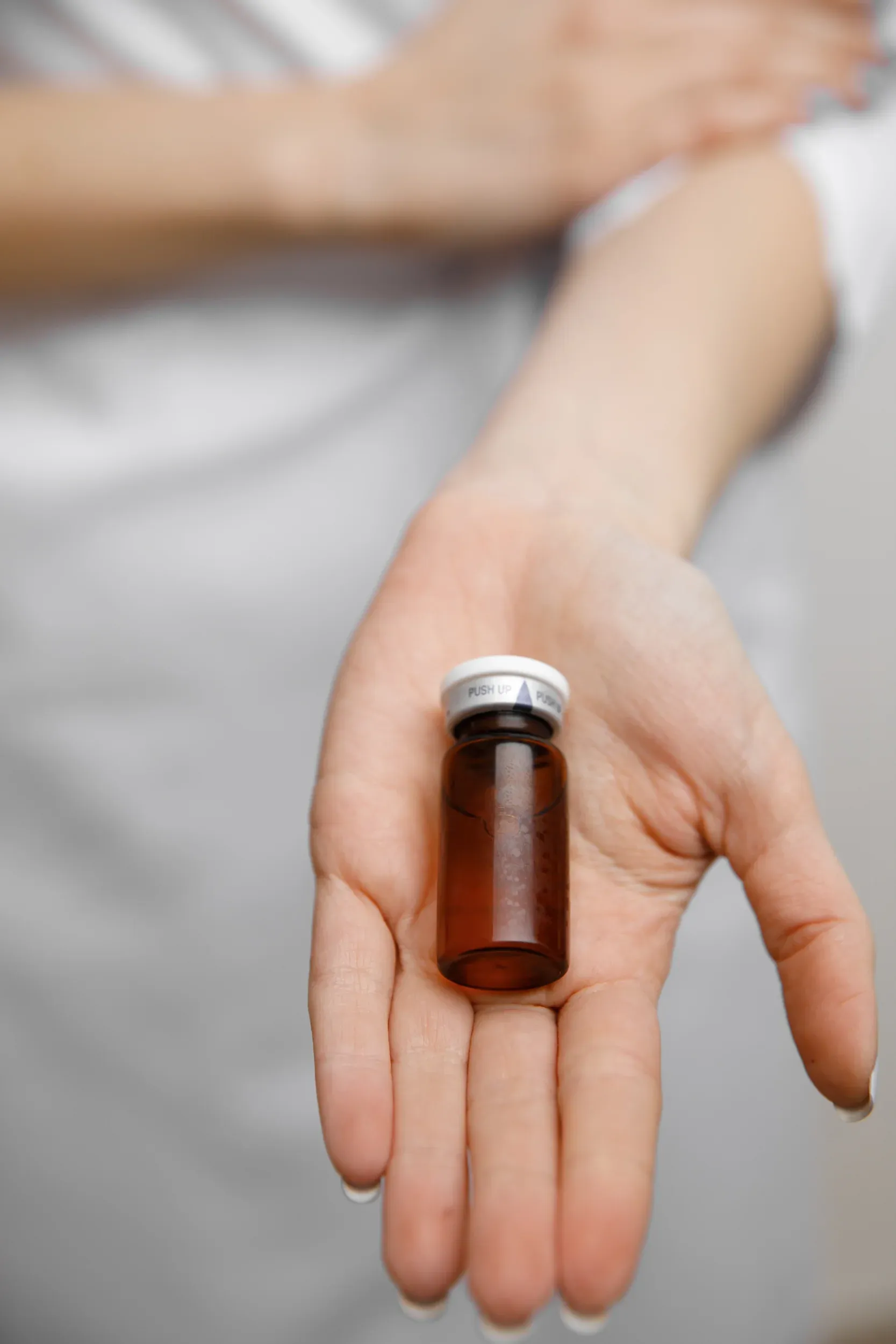
From crisis to stability
Opioid use disorder rarely starts the way people imagine. A surgery, a back injury, a pain prescription that worked a little too well, and months later you are counting pills, hiding refills, feeling sick without them, and exhausted from hiding it all. Cravings feel physical, not moral. Withdrawal is painful and frightening. Many patients in Venice and Sarasota County have tried to quit on their own, sometimes several times, and watched relapse come back hard. The shame keeps people quiet, and the silence keeps people stuck.
Suboxone treatment interrupts that cycle. Buprenorphine, the main ingredient, binds to the same brain receptors as opioids but without the dangerous high, which quiets cravings and steadies withdrawal so daily life becomes possible again. Naloxone is added to discourage misuse. At Paradise Family Healthcare, Dr. Miller pairs the medication with honest check-ins, lab monitoring, and coordinated counseling, all inside a calm family-doctor office where your recovery is simply part of your health record. Most patients describe it as finally being able to think clearly again.

The Science of Buprenorphine-Naloxone
Suboxone is an FDA-approved prescription medication containing buprenorphine and naloxone, used as medication-assisted treatment (MAT) for opioid use disorder. It is taken as a dissolvable film or tablet under the tongue and has been a cornerstone of outpatient opioid recovery since its FDA approval in 2002. Guidance from SAMHSA's Medication-Assisted Treatment program and the American Society of Addiction Medicine places buprenorphine-naloxone among the most effective tools for reducing overdose deaths and sustaining recovery.
Buprenorphine is a partial opioid agonist, meaning it attaches to the brain's opioid receptors but activates them only partially. That is enough to quiet cravings and prevent withdrawal, without producing the euphoric high of full opioids like heroin, fentanyl, oxycodone, or hydrocodone. The naloxone component stays mostly inactive when the medication is taken as directed, but blocks the effects if someone tries to misuse it, which is why Suboxone has a strong safety profile for long-term outpatient use. Clinical data summarized by SAMHSA shows buprenorphine-naloxone can cut the risk of fatal opioid overdose by roughly half.
Your care begins with a longer induction visit where Dr. Miller reviews your history, screens for co-occurring conditions, and starts the first Suboxone dose in office once you are in mild withdrawal. Follow-up visits confirm the dose is working, cravings are controlled, and life is getting steadier. Most patients see our Addiction Medicine team weekly at first, then shift to monthly visits as stability grows.
Most patients feel noticeable relief from cravings and withdrawal within the first 24-72 hours of induction. Treatment is typically continued for 12 months or longer, because opioid use disorder is a chronic condition and longer treatment is strongly linked to lower relapse rates.

Stable, Confidential Recovery

Evidence-based medication approved for opioid use disorder since 2002.
Calms opioid cravings and withdrawal so daily life becomes possible again.
Private, judgment-free visits inside a trusted family medicine office.
No separate clinic signage, all care feels like a normal primary care visit.
Most insurance plans and Medicare cover medication-assisted treatment.
Dr. Miller and Michael Ciccarone manage your MAT, labs, and primary care together.
Compare Your Options
| Treatment | Mechanism | Time | Results | Duration | Downtime | Best For |
|---|---|---|---|---|---|---|
| Suboxone at PFH Primary Care | Buprenorphine-naloxone, partial agonist | 60-90 min induction | Cravings reduced in 24-72 hrs | 12+ months | None, outpatient | Adults seeking private, outpatient MAT |
| Methadone Clinic | Full opioid agonist, daily dosing | Daily clinic visits | Cravings controlled | Often long-term | Daily travel to clinic | Severe, long-standing opioid use disorder |
| Inpatient Rehab | Detox plus behavioral program | 2-4 weeks residential | Supervised detox, structure | Short-term stay | Full time away from work, home | Patients needing full residential support |
Finding Your Best Path to Recovery
Suboxone treatment is appropriate for most adults with opioid use disorder who want to stop using opioids and are ready to partner with a medical provider for ongoing care. According to the American Society of Addiction Medicine, medication-assisted treatment is considered first-line care for moderate to severe opioid use disorder.
Absolute contraindications are rare. Most concerns can be managed with the right plan, and Dr. Miller will review your full medical history during the first visit to build a treatment approach that is safe for you.
Dr. Miller reviews your opioid use history, medical conditions, medications, and recovery goals in a private visit.
Baseline labs, a urine drug screen, and screening for co-occurring depression, anxiety, or chronic pain.
Once you are in mild withdrawal, Dr. Miller starts your first buprenorphine-naloxone dose in office and monitors response.
Weekly visits fine-tune the dose, confirm cravings are controlled, and coordinate counseling and lab follow-up.
As life steadies, Dr. Miller shifts you to monthly maintenance visits with ongoing Suboxone refills and primary care support.

What to Know
Most side effects are mild and improve over the first 1-2 weeks of treatment. Common effects include headache, nausea, constipation, sweating, insomnia, and mild mouth numbness from the dissolvable film. These typically resolve as your body adjusts to a stable dose.
Serious side effects are uncommon but can include allergic reactions, liver enzyme elevations, precipitated withdrawal if Suboxone is started too soon after opioid use, and significant respiratory depression when combined with benzodiazepines, alcohol, or other sedatives. Reports of serious adverse events remain rare when Suboxone is used as prescribed.
Buprenorphine-naloxone was FDA-approved in 2002 and has more than two decades of real-world safety data, including guidance from SAMHSA's MAT program. Dr. Miller's 24+ years of primary care experience, structured induction protocols, and ongoing lab monitoring help minimize risk and catch issues early.
Medication-assisted treatment is covered by most commercial insurance plans, Florida Medicaid, and Medicare, including both the office visit and the Suboxone prescription. Self-pay rates vary based on visit length and how often follow-ups are needed during the first months of treatment.
Exact pricing will be discussed during your first visit based on your insurance, dose, and treatment plan. Paradise Family Healthcare is committed to keeping MAT accessible, and we will review your coverage and out-of-pocket costs transparently before treatment begins.
If cost is a barrier, please tell us during the intake call. We will help you explore options so the medication side of recovery is never the reason someone stays in addiction.
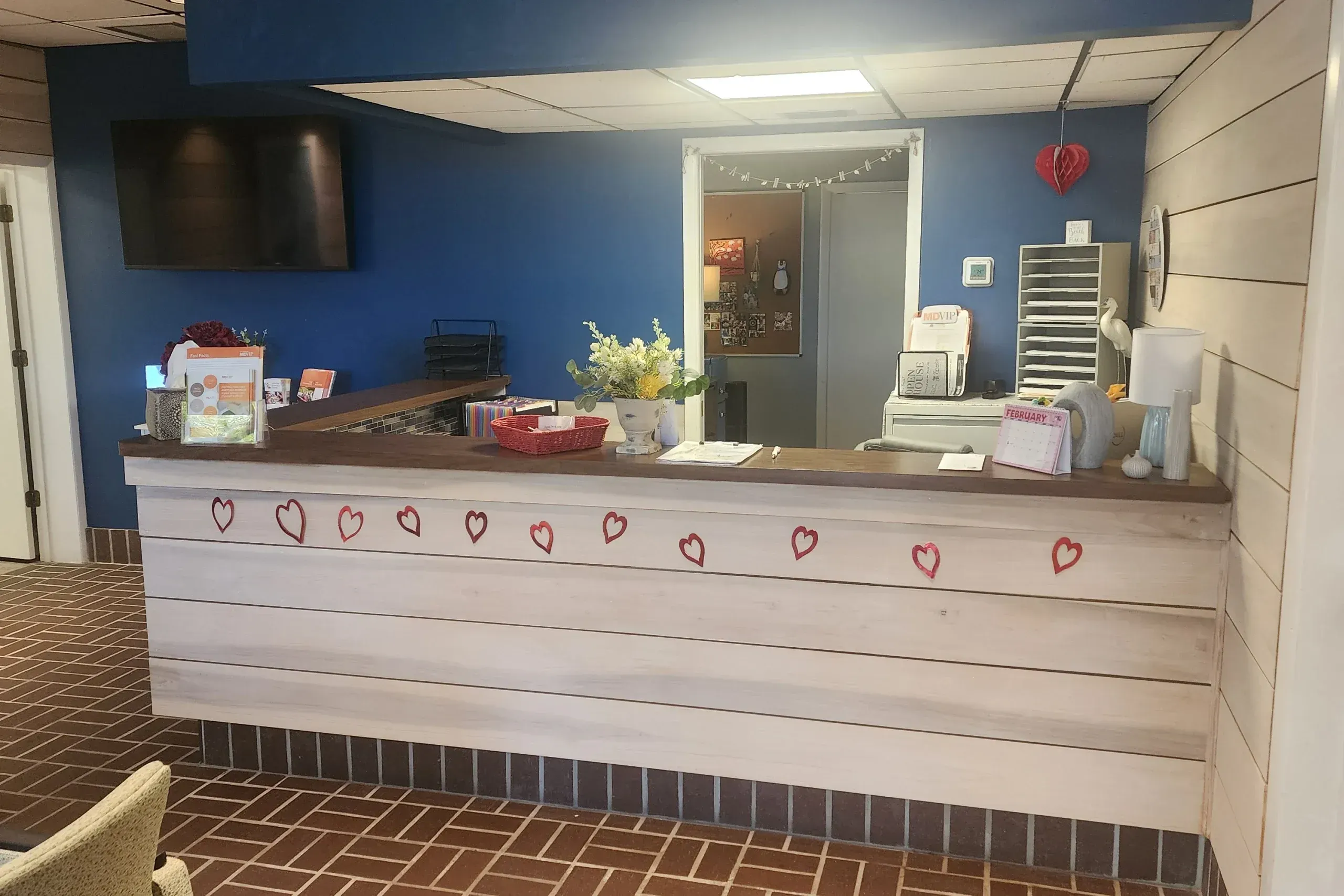
Venice's Trusted MAT Provider
Private, discreet appointments in a quiet family medicine office, no clinic signage.
You are met as a patient, not a label, and every question is welcome.
MAT, labs, chronic conditions, and mental health coordinated under one roof.
Steady relationship through induction, stabilization, and years of maintenance.
Your Questions Answered
Suboxone is a prescription combining buprenorphine and naloxone. Buprenorphine partially activates opioid receptors to quiet cravings and withdrawal without a high, and naloxone discourages misuse. Taken daily as a film or tablet, it lets the brain stabilize while recovery work happens.
Most patients stay on Suboxone for at least 12 months, and many longer. Opioid use disorder is a chronic condition, and longer maintenance is linked to lower relapse rates. Dr. Miller will discuss a personal taper plan only when you feel ready and stable.
Yes, most commercial insurance plans, Florida Medicaid, and Medicare cover Suboxone treatment, including the office visit and prescription. Our team verifies your coverage before the first visit so there are no billing surprises.
Suboxone is a partial opioid agonist taken at home, prescribed from a primary care office, with a lower overdose risk and no daily clinic visits. Methadone is a full opioid agonist dispensed daily at a federally regulated clinic, often used for more severe cases.
Counseling is strongly recommended but not always mandatory. Most patients do best when Suboxone is paired with therapy, peer support, or groups. Dr. Miller can coordinate referrals and works alongside our addiction and mental health partners for integrated care.